18–31 August 2027 • Selwyn College, Cambridge

How to apply

Applications for the August 2027 programme are now open. We welcome students and graduates with an interest in economics, business, finance, data science, AI, mathematics, statistics, engineering and related fields. Check that the programme is for you, choose your course and room, then apply online.

Apply by 1 January 2027 for 10% off

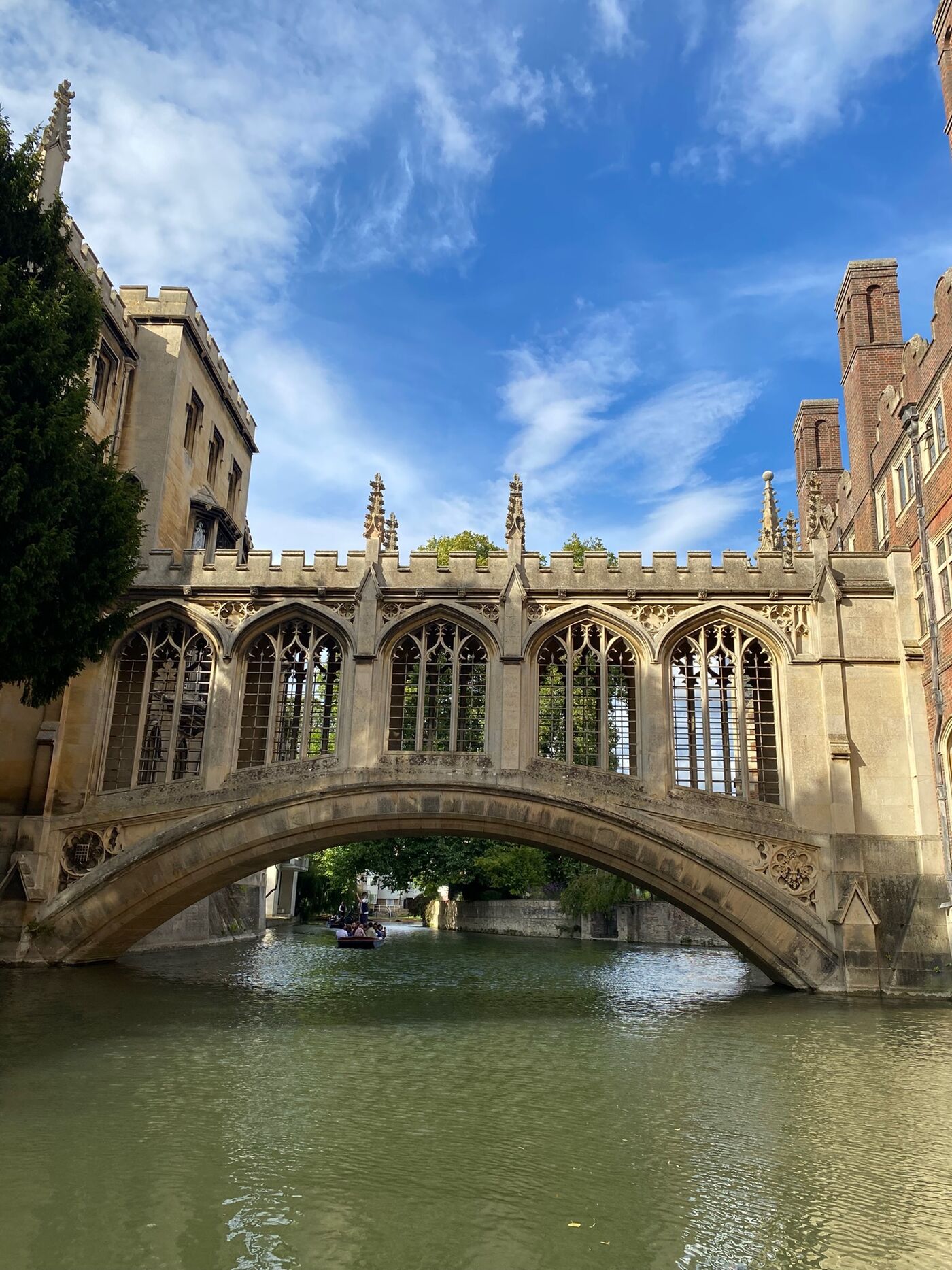
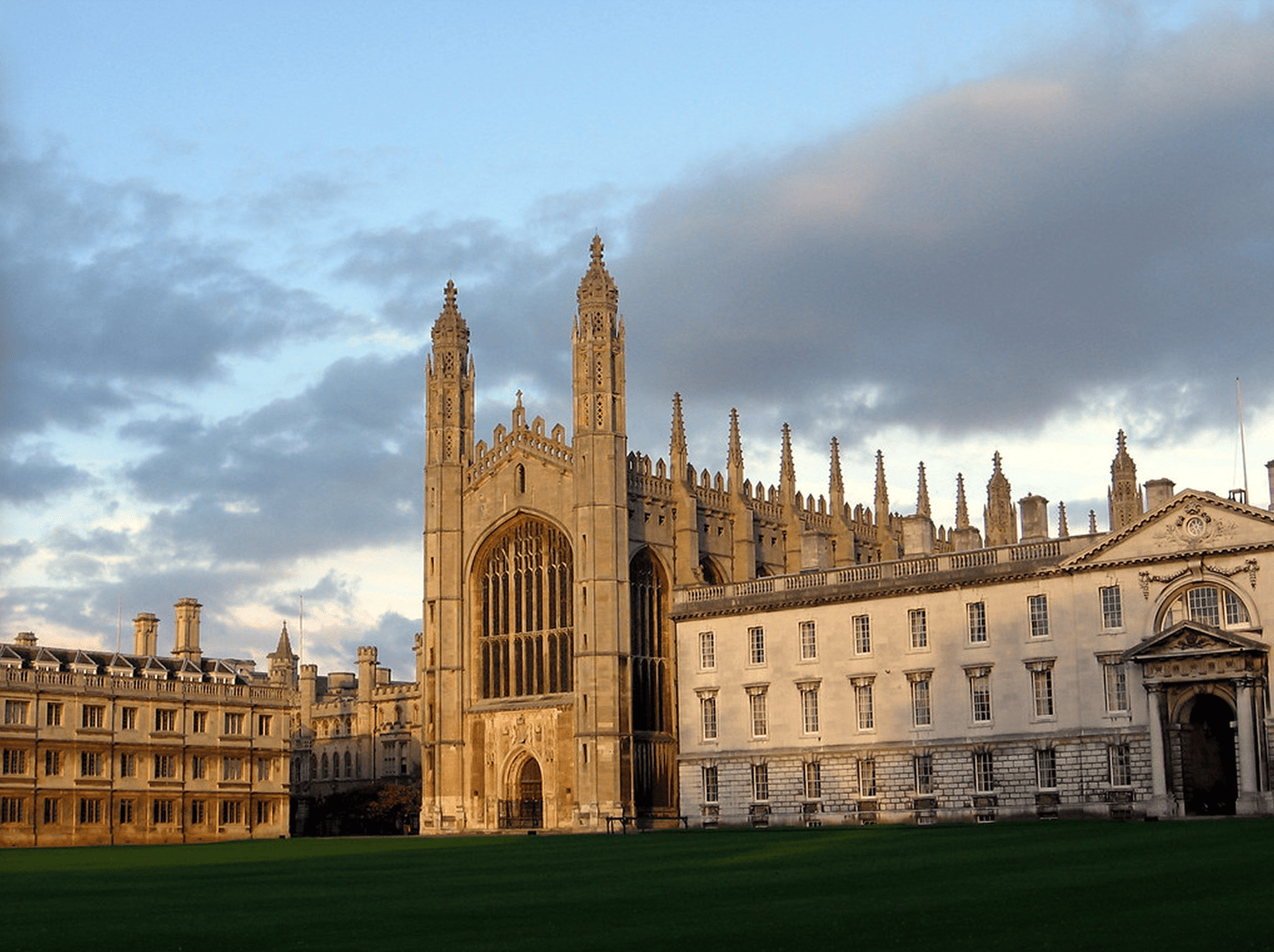
The Bridge of Sighs over the River Cam King’s College Chapel in the evening light A narrow lane between the walls of two colleges
  • Fees

    From £4,900

    Student rate, twin room; single rooms from £5,500

  • Application fee

    None

    Competitive 5% scholarships if you apply by 31 March

  • Groups

    Up to 18 per course

    Places on each course are limited; apply early

  • Final deadline

    30 June 2027

    Leaves time to get a UK visa if you need one

Is our programme for you?

Who can apply, what you need, and what happens after you apply.
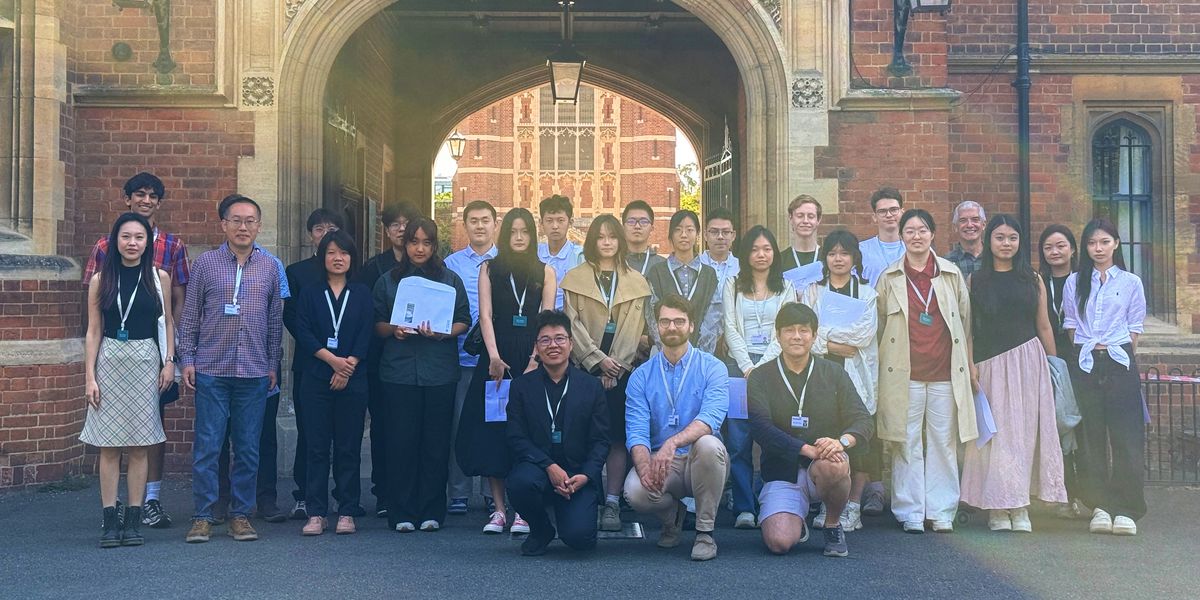
The 2026 summer school group at the gatehouse of Selwyn College

Before you apply

Who can apply

  • 18+Aged 18 or overBy the start of the programme
  • Students and graduatesUndergraduates, early postgraduates and young professionals
  • MathematicsRequire basic calculus and probability for Foundations; more for Advanced
  • CodingNone for Foundations; some Python for Advanced. You code with AI on every course
  • EnglishIELTS 6.5, TOEFL iBT 90, CET-4 550, CET-6 500 or equivalent
  • GradesGPA 3.2 / B+ or equivalent, recommended
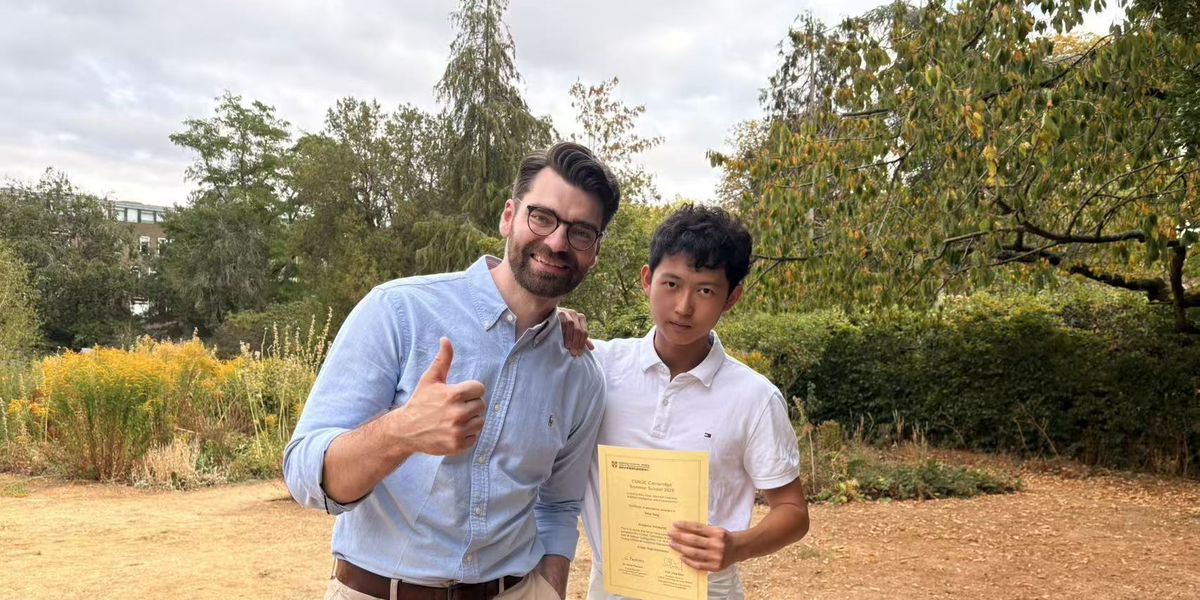
A teacher and a student with his certificate on the last day of the 2026 summer school

After you apply

What happens next

  1. Apply onlineForm, transcript, English certificate; CV for a scholarship
  2. Online interviewWith one of our instructors, within two weeks
  3. Our decisionWithin one week of your interview
  4. Accept your offerPay the fees, then arrange your visa, travel and insurance

Then

Online prep course 5–9 July

Residential programme, Selwyn College 18–31 August

What our 2026 students say

  • “We’re in a wonderful world of artificial intelligence. If you don’t have coding experience, like I didn’t, it’s quite easy to learn quickly and go straight to applying Python. The programming and report-writing skills will help with my quantitative project and dissertation.”
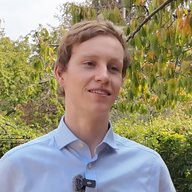
    Portrait of Toby Dickinson Toby DickinsonEconomics, Year 1University of Cambridge
  • “Studying entirely in English was a big challenge, but a great chance to improve my communication. My new Python and machine learning skills will support my economics research and could help me if I pursue a career in finance.”
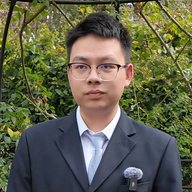
    Portrait of Changhua Quan Changhua QuanEconomics, Year 3Nanjing University
  • “I’m really keen to do my master’s at Cambridge, so I asked our teachers about master’s applications, the courses and my future career plans. They were really patient and answered lots of my questions.”
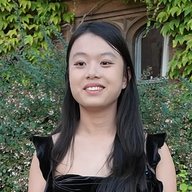
    Portrait of Yifei Jiang Yifei JiangEconomics and Finance, Year 2Xi’an Jiaotong-Liverpool University

Choose your course and room

Before you apply, make two choices: your course and your room.
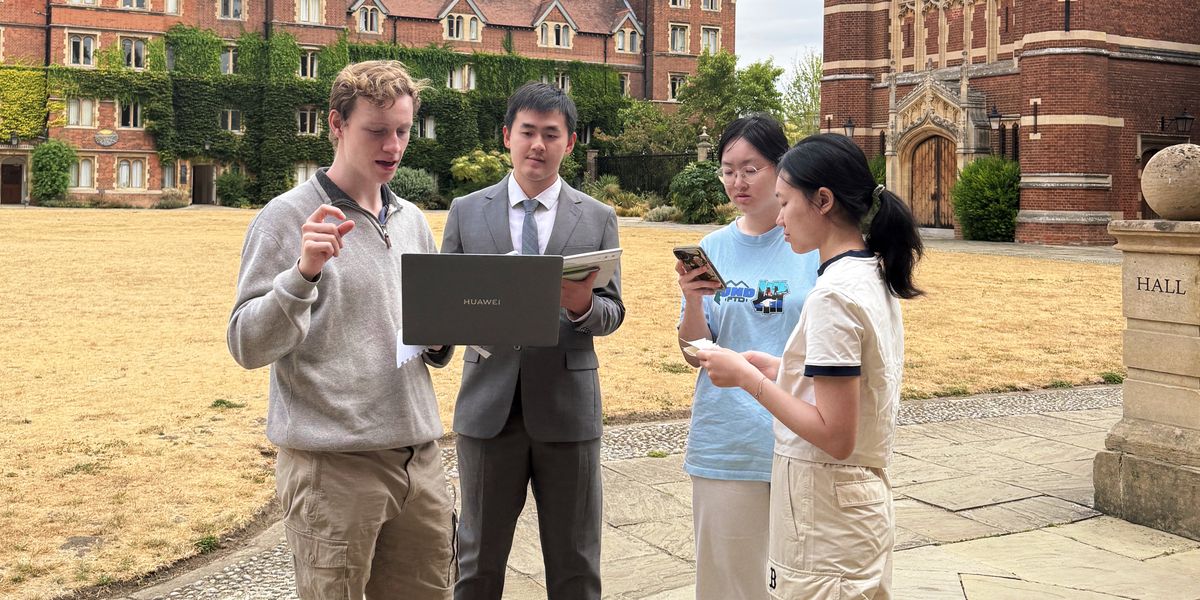
Three students and a teacher look at a laptop in a court at Selwyn College

Choice 1

Your course

  • AI: AI101, Foundations
  • Data Science: DS101, Foundations
  • Economics: EC101, Foundations
  • Finance: FI101, Foundations

Before you arrive

Online prep course, 5–9 July. The mathematics, statistics and Python you need for your course.
Compare all eight courses

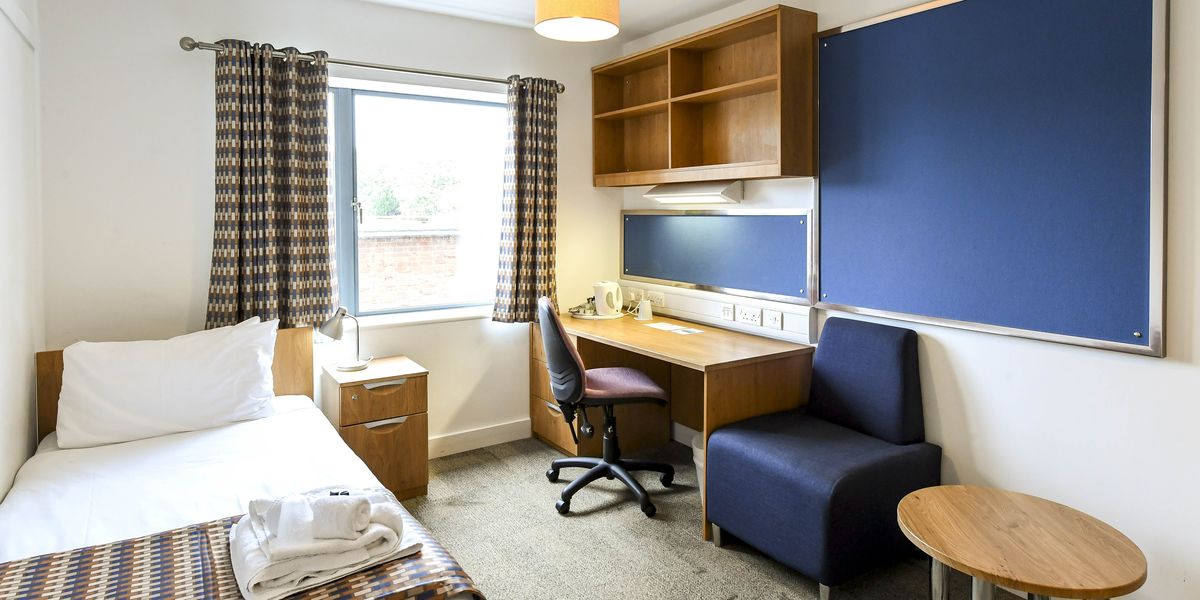
A single en-suite room at Selwyn College, with a bed, a desk and an armchair

Choice 2

Your room

Single roomA room of your own

£5,500student rate: for university or college students£6,875 standard rate: for everyone else

Every room

  • En-suite
  • In Selwyn College
  • Daily breakfast

Pay less

  • 10% offPassedApply by 1 January 2027, the priority deadline
  • 5% offPassedApply by 31 March 2027, the early-bird deadline
  • ScholarshipsCompetitive, 5% of fees: apply by 31 March 2027

AI

How AI systems work and how organisations use them

AI101

Foundations

New to the subject

Applied AI for Business and Management

Taught by Roman Berlanger

This course covers what large language models and other AI tools can and cannot do, and how organisations test, deploy and govern them, ending with students building and evaluating a quantitative case for using AI in a real business process.

By the end, you can

  • Explain how language models work, and where they fail
  • Use AI to sort, extract and summarise business text
  • Test an AI tool against a human baseline
  • Weigh the risks and rules of using AI at work
  • Build a costed business case for an AI project

Two weeks, day by day

Week 1

  1. What AI is, and isn’t
  2. Inside language models
  3. AI for business text
  4. Where AI helps, and fails
  5. Testing an AI tool

Week 2

  1. Predictive AI
  2. AI on company documents
  3. Deploying AI at work
  4. Risk, rules and governance
  5. Your AI business case

What you need

Basic calculus and probability. No statistics, programming or prior study of the subject.

Team project, for example

Could AI sort customer complaints as well as a team of people, and what would it save?

AI

How AI systems work and how organisations use them

AI201

Advanced

Build on what you know

Deep Learning and Large Language Models

Taught by Oleg Kitov

This course builds neural networks, backpropagation and attention from first principles and ends with students training a small transformer language model and fine-tuning a pretrained one.

By the end, you can

  • Code backpropagation from first principles
  • Train deep networks reliably, and diagnose problems
  • Explain and build attention and the transformer
  • Train a small language model from scratch
  • Fine-tune a pretrained model, and evaluate it honestly

Two weeks, day by day

Week 1

  1. Neurons and networks
  2. Backpropagation
  3. Training networks well
  4. Language modelling basics
  5. Word embeddings

Week 2

  1. Attention from scratch
  2. The transformer
  3. Training a small GPT
  4. Pretrained models
  5. Fine-tuning and evaluation

What you need

Linear regression, basic matrix algebra and some Python, on top of basic calculus and probability. Also basic multivariable calculus.

Team project, for example

How small can a language model be and still write coherent stories?

Data Science

Turning data into evidence and predictions

DS101

Foundations

New to the subject

Data Science for Economics and Business

Taught by Daniele Cassese

This course introduces the core tools of applied econometrics, namely regression, statistical inference, experiments and difference-in-differences, and uses them to separate correlation from causation in real economic and business data.

By the end, you can

  • Describe and visualise economic and business data
  • Measure uncertainty with confidence intervals and tests
  • Tell correlation from causation, and explain why
  • Design and analyse an experiment or A/B test
  • Estimate a policy’s effect with difference-in-differences

Two weeks, day by day

Week 1

  1. Correlation and causation
  2. Sampling and uncertainty
  3. Hypothesis tests
  4. Experiments and A/B tests
  5. Simple regression

Week 2

  1. Multiple regression
  2. Regression in practice
  3. Panel data
  4. Difference-in-differences
  5. From evidence to decisions

What you need

Basic calculus and probability. No statistics, programming or prior study of the subject.

Team project, for example

Did a minimum-wage rise change jobs or prices? Find out with difference-in-differences.

Data Science

Turning data into evidence and predictions

DS201

Advanced

Build on what you know

Machine Learning for Prediction

Taught by Dmitrii Petrukhin

This course covers the main supervised learning methods, from regularised regression to decision trees and ensembles, together with the validation discipline needed to trust their predictions and turn them into decisions.

By the end, you can

  • Build and tune models, from lasso to gradient boosting
  • Test every model honestly, on data it has never seen
  • Spot leakage and the other ways validation fails
  • Explain what drives a model’s predictions
  • Turn predicted probabilities into costed decisions

Two weeks, day by day

Week 1

  1. Prediction and honest error
  2. Cross-validation done right
  3. Ridge, lasso, elastic net
  4. Logistic regression
  5. Decision trees

Week 2

  1. Random forests
  2. Gradient boosting
  3. What drives a model
  4. When validation fails
  5. Predictions to decisions

What you need

Linear regression, basic matrix algebra and some Python, on top of basic calculus and probability. Also introductory econometrics.

Team project, for example

Predict which borrowers will default on a loan, and decide whom to lend to.

Economics

How economies and markets work, and how AI is changing them

EC101

Foundations

New to the subject

Macroeconomics in Theory and Practice

Taught by MuynGun Kim

This course explains how economies grow, fluctuate and respond to policy, from productivity, technology and the promise of AI to inflation, interest rates and public debt, using real data from economies around the world.

By the end, you can

  • Read the data on GDP, inflation and jobs
  • Explain why some economies grow faster than others
  • Assess how AI might raise productivity and growth
  • Analyse booms, recessions and inflation
  • Judge how interest rates and budgets shape the economy

Two weeks, day by day

Week 1

  1. Measuring the economy
  2. Why some countries grow
  3. The Solow growth model
  4. Productivity
  5. AI and productivity

Week 2

  1. Jobs and unemployment
  2. Booms and recessions
  3. Inflation
  4. Central banks and rates
  5. Budgets and public debt

What you need

Basic calculus and probability. No statistics, programming or prior study of the subject.

Team project, for example

Has AI shown up in productivity yet? Compare countries and industries before and after 2022.

Economics

How economies and markets work, and how AI is changing them

EC201

Advanced

Build on what you know

Microeconomics and the AI Economy

Taught by Ruohan Qin

This course uses microeconomic models and evidence to analyse how AI changes the tasks workers do, the decisions firms make and the way markets compete, from automation and productivity to algorithmic pricing, platforms and regulation.

By the end, you can

  • Model how AI changes tasks, jobs and wages
  • Measure which jobs are most exposed to AI
  • Analyse how firms adopt AI, and with what results
  • Explain how pricing algorithms can learn to collude
  • Weigh the case for regulating AI markets

Two weeks, day by day

Week 1

  1. AI as cheap prediction
  2. Automation and new tasks
  3. Measuring AI exposure
  4. Wages and inequality
  5. Firms adopting AI

Week 2

  1. Competition in AI markets
  2. Algorithmic pricing
  3. Algorithmic collusion
  4. Platforms and networks
  5. Regulating AI markets

What you need

Linear regression, basic matrix algebra and some Python, on top of basic calculus and probability. Also introductory economics.

Team project, for example

Are the jobs most exposed to AI high-paid or low-paid? Combine exposure and wage data to find out.

Finance

How markets price risk, and how to model them

FI101

Foundations

New to the subject

Financial Markets and Investment

Taught by Vasileios Kotsidis

This course introduces how stock markets price risk, from returns, volatility and diversification to portfolio choice, the CAPM and multi-factor models, and applies these ideas to real stock market data.

By the end, you can

  • Measure returns, risk and drawdowns from real prices
  • Show why diversification lowers risk
  • Build an efficient portfolio in Python
  • Estimate betas, and test the CAPM on real stocks
  • Explain returns with value, size and momentum factors

Two weeks, day by day

Week 1

  1. How stock markets work
  2. Returns and risk
  3. Diversification
  4. The efficient frontier
  5. The best risky portfolio

Week 2

  1. The CAPM
  2. Testing the CAPM
  3. Market efficiency
  4. Multi-factor models
  5. Building a portfolio

What you need

Basic calculus and probability. No statistics, programming or prior study of the subject.

Team project, for example

Do “AI stocks” beat the market once you account for risk?

Finance

How markets price risk, and how to model them

FI201

Advanced

Build on what you know

Quantitative Finance with AI

Taught by Weilong Zhang

This course builds and backtests quantitative trading strategies, from factors to volatility modelling, and shows how AI, from machine learning on prices to language models on financial text, can improve return forecasts and portfolio decisions.

By the end, you can

  • Backtest a strategy honestly, with realistic costs
  • Build factor, trend and mean-reversion strategies
  • Forecast volatility, and size positions to it
  • Forecast returns with machine learning, out of sample
  • Turn news and filings into signals with language models

Two weeks, day by day

Week 1

  1. Backtesting honestly
  2. Factor strategies
  3. Trend and mean reversion
  4. Volatility modelling
  5. Volatility targeting

Week 2

  1. Forecasting returns
  2. Trees and neural networks
  3. Avoiding false discoveries
  4. AI on financial text
  5. Forecasts to portfolios

What you need

Linear regression, basic matrix algebra and some Python, on top of basic calculus and probability. Also introductory finance.

Team project, for example

Does news sentiment, read by a language model, predict returns beyond momentum, after costs?

Fees and scholarships

18–31 August 2027 • Selwyn College, Cambridge

Programme fees

Student rate*Standard rate
Single roomA room of your own£5,500£6,875
Twin roomShared with one other student£4,900£6,125

* Student rate: for students currently enrolled at a university or college anywhere in the world. There is no application fee.

Pay less: apply early

  • 10% offPassed1 January 2027, priority deadline
  • 5% offPassed31 March 2027, early-bird deadline
  • Full fees30 June 2027, final deadline

Students who can travel to the UK without a visa may apply after 30 June, subject to availability.

Scholarships · 5% of the full fees

A limited number of competitive scholarships of 5% of the full fees, if you apply by the early-bird deadline, 31 March 2027. They are awarded on a rolling basis, on academic merit and your overall profile. To be considered, select the scholarship option in the application form and upload your CV.

What the fees include

Teaching

  • Lectures
  • Practice classes
  • Team project supervision

Room and meals

  • En-suite room at Selwyn
  • Daily breakfast
  • A formal dinner

Professional development

  • Keynote talks
  • Career talks
  • Leadership coaching
  • Admissions workshops

Social programme

  • Welcome event
  • Drinks with speakers
  • City and college tours
  • Punting on the Cam
  • Day trip to London
  • Graduation garden party

Not included

  • Travel to and from Cambridge
  • Flights and airport transfers
  • Visa and related application costs
  • Travel and health insurance
  • All other meals
  • Personal expenses
  • Optional extra activities

The terms and conditions, including withdrawal and refund policies, are in the application form.

Start your application (opens in a new tab)

18–31 August 2027 • Selwyn College, Cambridge

Ready to join us?

From £4,900 with tuition, college room and events

  1. Priority deadline1 January 202710% off
  2. Early-bird deadline31 March 20275% off
  3. Final deadline30 June 2027

I’ve been at Cambridge for a year, and this summer school felt just like term: college life, small classes, and teachers who really know how to teach. If you want a taste of being a Cambridge student, this is it.

Portrait of Lewis Redman Lewis RedmanEconomicsYear 1 · University of Cambridge

Questions before you apply?

Not ready yet?

Download our brochure to find out more

Or message us on · .