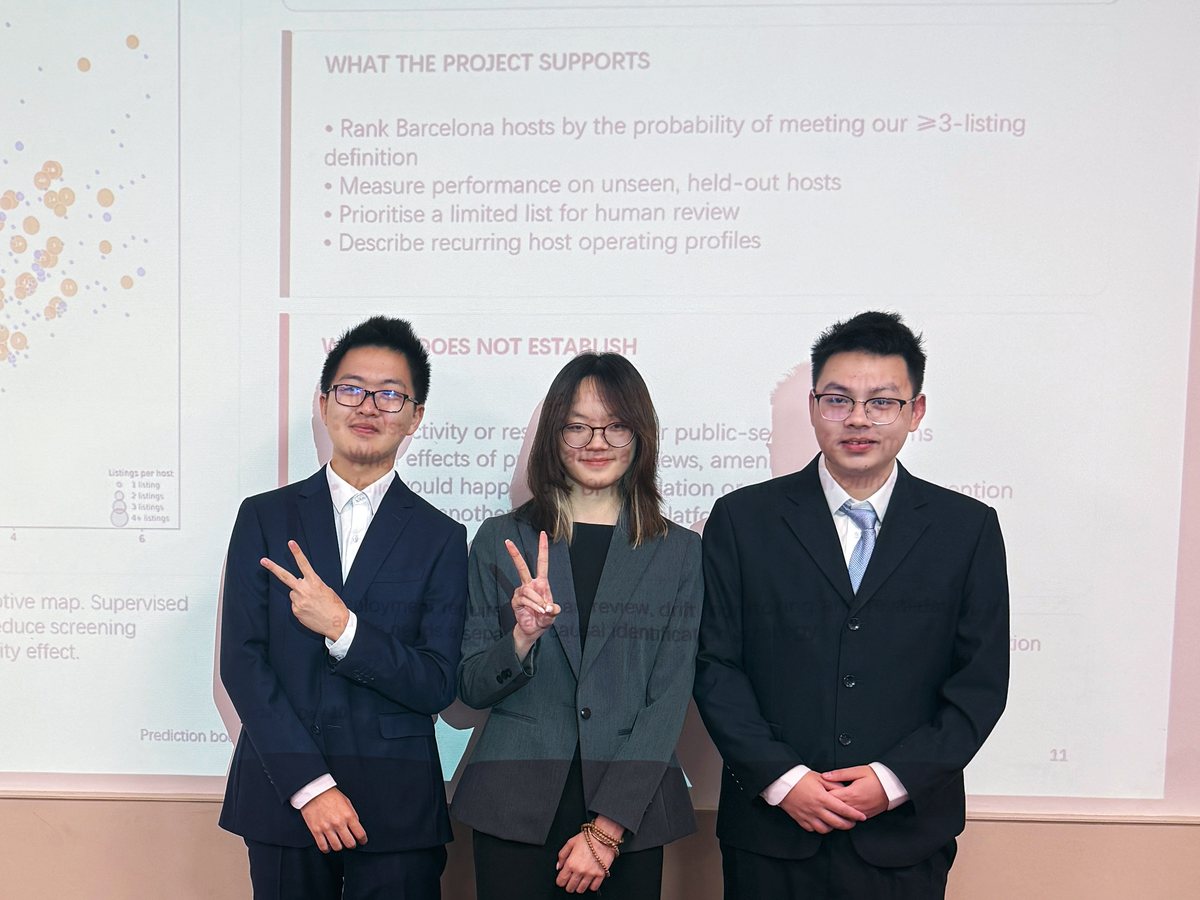
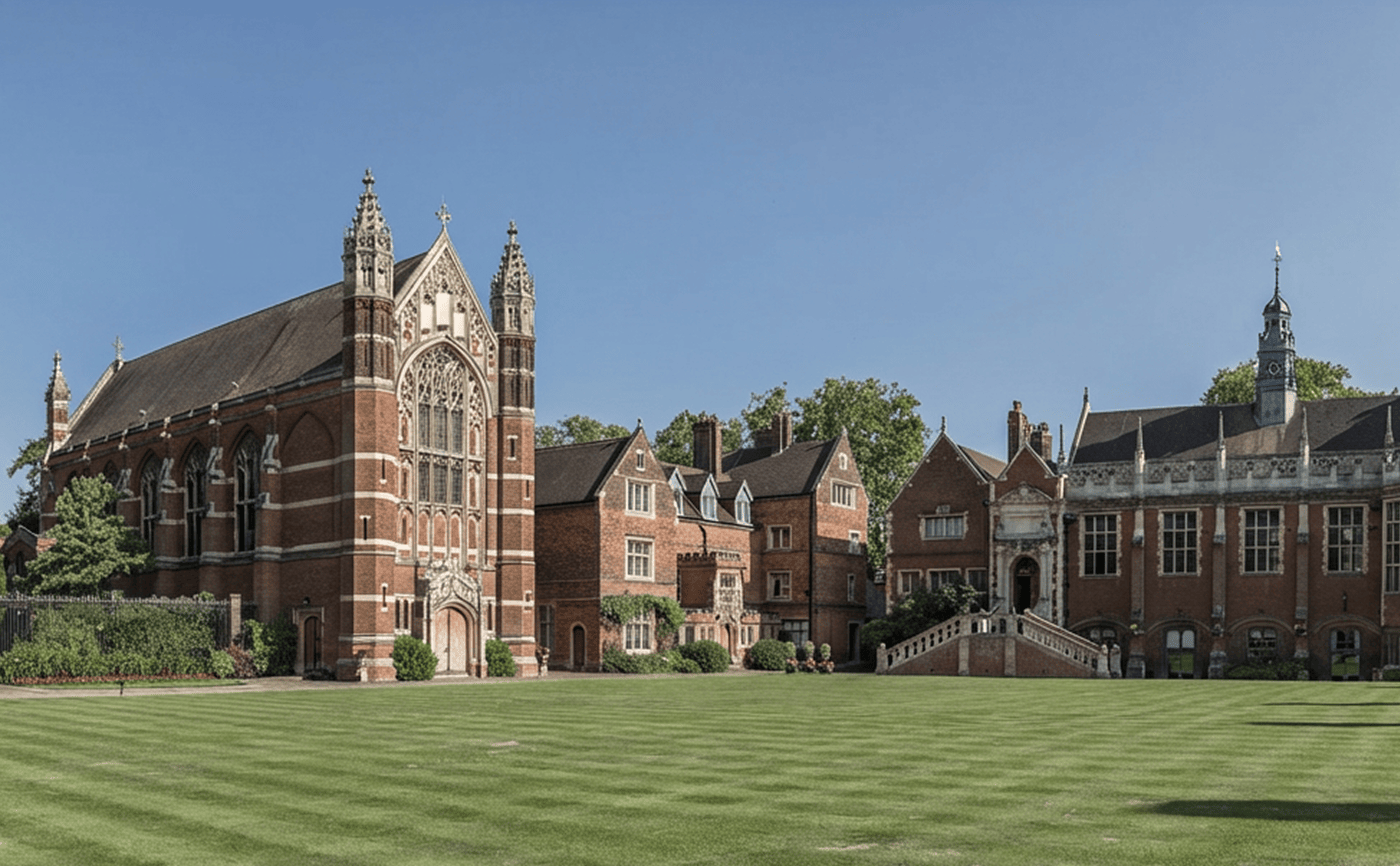
18–31 August 2027 • Selwyn College, Cambridge

Programme and courses

Choose one of eight courses in AI, Data Science, Economics and Finance, taught with Learning by doing, the award-winning approach we developed for our own students at Cambridge. Each day you learn a new method and use it straight away in your team project, coding with AI. In the early evenings, talks and workshops with academics, industry leaders and Cambridge admissions officers help you plan your next step.
Image
  • Courses

    4 subjects, 8 courses

    Available at Foundations or Advanced level; you take one for two weeks

  • Teaching

    60 contact hours

    Each weekday: learn in lecture, practise in class, build a project in teams

  • Groups

    Small classes

    Up to 18 students per course, so you get individual attention

  • Projects

    One team project

    Build a real research project in a team of three, present on the last day

Programme overview

Two parts: an online prep course in July, then two weeks in Cambridge.
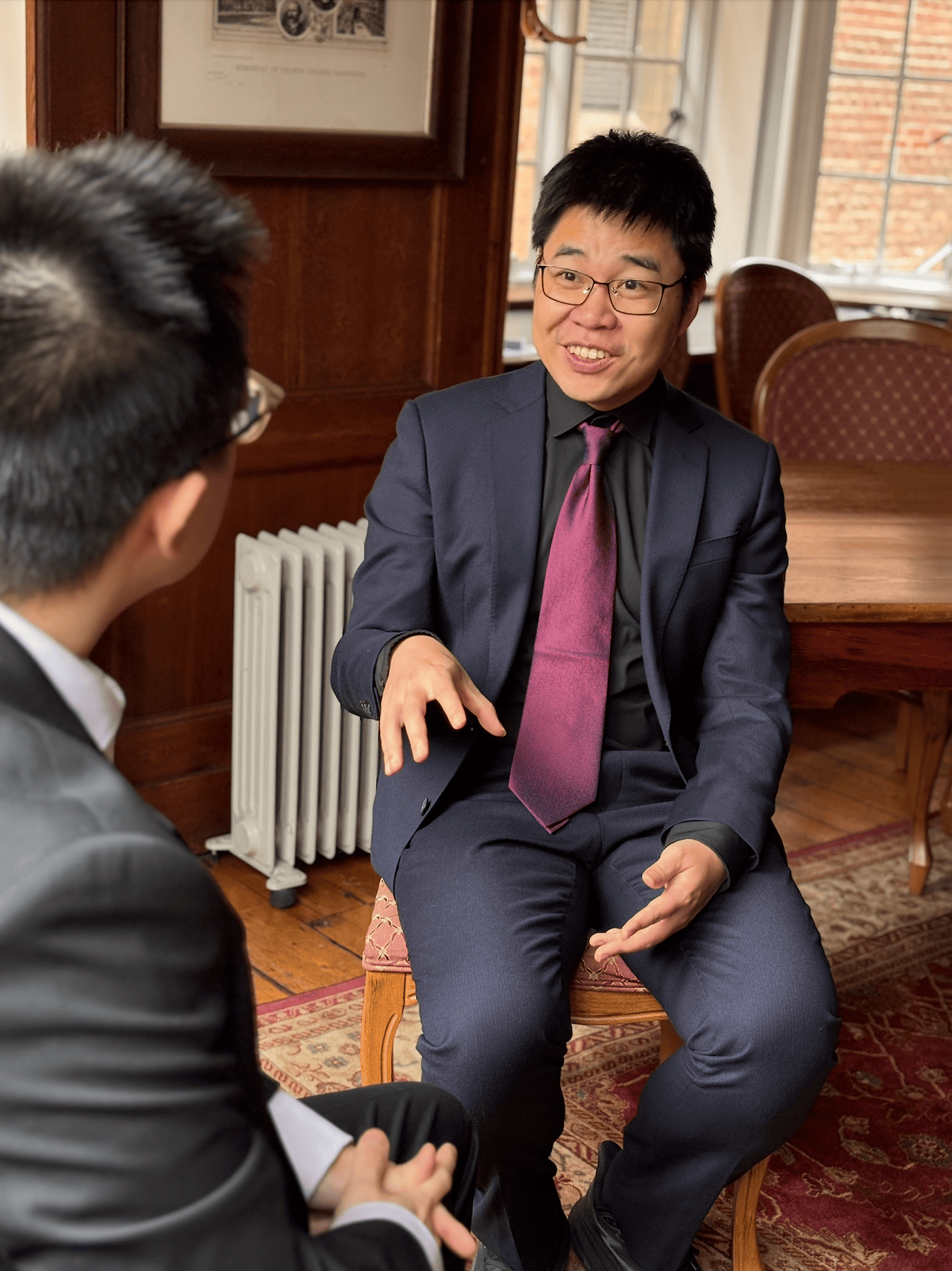
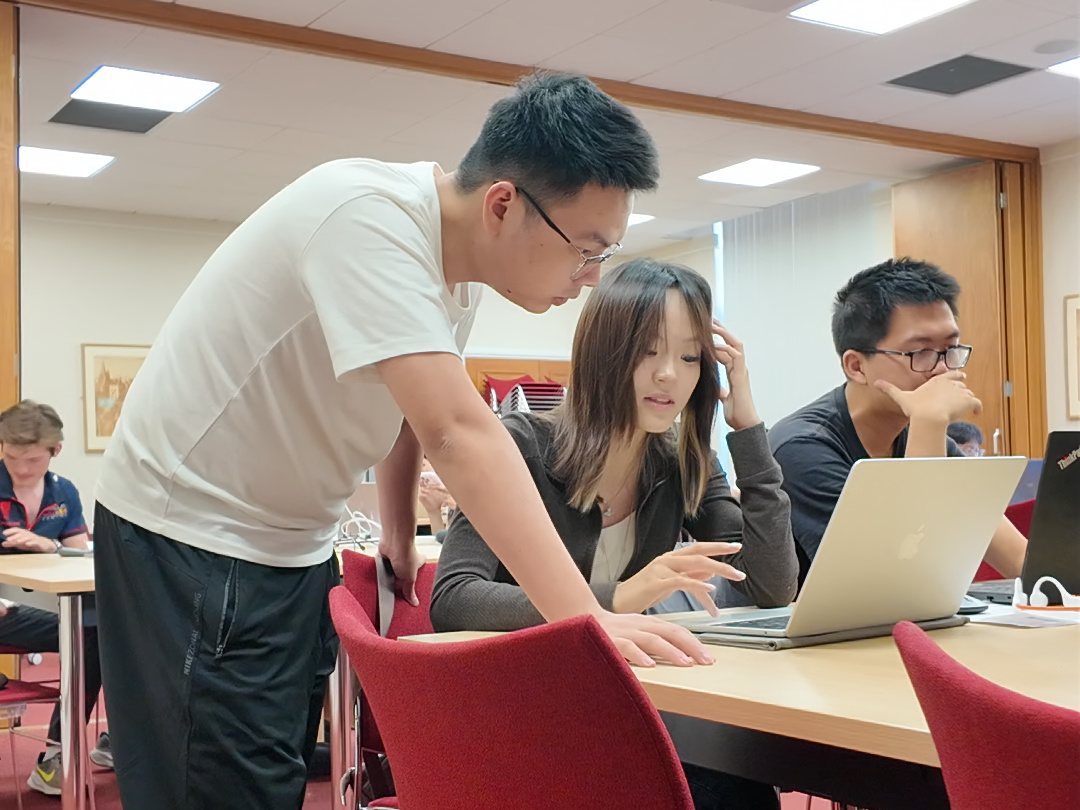
Weilong Zhang, one of our teachers, in conversation with a student

Online prep
course

5–9 July

The mathematics, statistics and Python you need, before you arrive

Residential programme

18–31 August

Two weeks at Selwyn College, Cambridge

A full term in two weeks

The same amount of material as a full-term Cambridge undergraduate course.

Contact hours

60 hours over two weeks

Each weekday: a 90-minute lecture, a 90-minute practice class and 3 hours of team project work.

7.5 ECTS · 3–4 US credits

Subject to approval by your home university. A certificate of achievement, and recommendation letters for top performers.

Courses

One Foundations and one Advanced course in each subject; you take one for the full two weeks. Choose your level, then open a course to see what it covers and who teaches it.

New to the subject No statistics, coding or prior study needed: you code with AI from day one.

  • Basic calculus
    and probability
    Needed
  • Linear
    regression
    Not needed
  • Basic matrix
    algebra
    Not needed
  • Some
    Python
    Not needed

Online prep course, 5–9 July. Covers the mathematics, statistics and Python you need.

Not sure? If you have all four, choose Advanced. Otherwise, start with Foundations.

AI

How AI works and is used

AI101, Foundations

How organisations choose, test and use AI tools in practice

Taught by Roman Berlanger

AI201, Advanced

From neural networks to training and fine-tuning your own LLM

Taught by Oleg Kitov

Data Science

From data to evidence

DS101, Foundations

Use regression to tell causation from correlation in real data

Taught by Daniele Cassese

DS201, Advanced

Build and validate predictive models, from regression to trees

Taught by Dmitrii Petrukhin

Economics

Economies, markets and AI

EC101, Foundations

Growth, inflation, interest rates and public debt, using real data

Taught by MuynGun Kim

EC201, Advanced

How AI is changing work, firms and competition across markets

Taught by Ruohan Qin

Finance

How markets price risk

FI101, Foundations

How to balance risk and return, and why diversification works

Taught by Vasileios Kotsidis

FI201, Advanced

Build and test trading strategies, then improve them with AI

Taught by Weilong Zhang

AI

How AI systems work and how organisations use them

AI101

Foundations

New to the subject

Applied AI for Business and Management

Taught by Roman Berlanger

This course covers what large language models and other AI tools can and cannot do, and how organisations test, deploy and govern them, ending with students building and evaluating a quantitative case for using AI in a real business process.

By the end, you can

  • Explain how language models work, and where they fail
  • Use AI to sort, extract and summarise business text
  • Test an AI tool against a human baseline
  • Weigh the risks and rules of using AI at work
  • Build a costed business case for an AI project

Two weeks, day by day

Week 1

  1. What AI is, and isn’t
  2. Inside language models
  3. AI for business text
  4. Where AI helps, and fails
  5. Testing an AI tool

Week 2

  1. Predictive AI
  2. AI on company documents
  3. Deploying AI at work
  4. Risk, rules and governance
  5. Your AI business case

What you need

Basic calculus and probability. No statistics, programming or prior study of the subject.

Team project, for example

Could AI sort customer complaints as well as a team of people, and what would it save?

AI

How AI systems work and how organisations use them

AI201

Advanced

Build on what you know

Deep Learning and Large Language Models

Taught by Oleg Kitov

This course builds neural networks, backpropagation and attention from first principles and ends with students training a small transformer language model and fine-tuning a pretrained one.

By the end, you can

  • Code backpropagation from first principles
  • Train deep networks reliably, and diagnose problems
  • Explain and build attention and the transformer
  • Train a small language model from scratch
  • Fine-tune a pretrained model, and evaluate it honestly

Two weeks, day by day

Week 1

  1. Neurons and networks
  2. Backpropagation
  3. Training networks well
  4. Language modelling basics
  5. Word embeddings

Week 2

  1. Attention from scratch
  2. The transformer
  3. Training a small GPT
  4. Pretrained models
  5. Fine-tuning and evaluation

What you need

Linear regression, basic matrix algebra and some Python, on top of basic calculus and probability. Also basic multivariable calculus.

Team project, for example

How small can a language model be and still write coherent stories?

Data Science

Turning data into evidence and predictions

DS101

Foundations

New to the subject

Data Science for Economics and Business

Taught by Daniele Cassese

This course introduces the core tools of applied econometrics, namely regression, statistical inference, experiments and difference-in-differences, and uses them to separate correlation from causation in real economic and business data.

By the end, you can

  • Describe and visualise economic and business data
  • Measure uncertainty with confidence intervals and tests
  • Tell correlation from causation, and explain why
  • Design and analyse an experiment or A/B test
  • Estimate a policy’s effect with difference-in-differences

Two weeks, day by day

Week 1

  1. Correlation and causation
  2. Sampling and uncertainty
  3. Hypothesis tests
  4. Experiments and A/B tests
  5. Simple regression

Week 2

  1. Multiple regression
  2. Regression in practice
  3. Panel data
  4. Difference-in-differences
  5. From evidence to decisions

What you need

Basic calculus and probability. No statistics, programming or prior study of the subject.

Team project, for example

Did a minimum-wage rise change jobs or prices? Find out with difference-in-differences.

Data Science

Turning data into evidence and predictions

DS201

Advanced

Build on what you know

Machine Learning for Prediction

Taught by Dmitrii Petrukhin

This course covers the main supervised learning methods, from regularised regression to decision trees and ensembles, together with the validation discipline needed to trust their predictions and turn them into decisions.

By the end, you can

  • Build and tune models, from lasso to gradient boosting
  • Test every model honestly, on data it has never seen
  • Spot leakage and the other ways validation fails
  • Explain what drives a model’s predictions
  • Turn predicted probabilities into costed decisions

Two weeks, day by day

Week 1

  1. Prediction and honest error
  2. Cross-validation done right
  3. Ridge, lasso, elastic net
  4. Logistic regression
  5. Decision trees

Week 2

  1. Random forests
  2. Gradient boosting
  3. What drives a model
  4. When validation fails
  5. Predictions to decisions

What you need

Linear regression, basic matrix algebra and some Python, on top of basic calculus and probability. Also introductory econometrics.

Team project, for example

Predict which borrowers will default on a loan, and decide whom to lend to.

Economics

How economies and markets work, and how AI is changing them

EC101

Foundations

New to the subject

Macroeconomics in Theory and Practice

Taught by MuynGun Kim

This course explains how economies grow, fluctuate and respond to policy, from productivity, technology and the promise of AI to inflation, interest rates and public debt, using real data from economies around the world.

By the end, you can

  • Read the data on GDP, inflation and jobs
  • Explain why some economies grow faster than others
  • Assess how AI might raise productivity and growth
  • Analyse booms, recessions and inflation
  • Judge how interest rates and budgets shape the economy

Two weeks, day by day

Week 1

  1. Measuring the economy
  2. Why some countries grow
  3. The Solow growth model
  4. Productivity
  5. AI and productivity

Week 2

  1. Jobs and unemployment
  2. Booms and recessions
  3. Inflation
  4. Central banks and rates
  5. Budgets and public debt

What you need

Basic calculus and probability. No statistics, programming or prior study of the subject.

Team project, for example

Has AI shown up in productivity yet? Compare countries and industries before and after 2022.

Economics

How economies and markets work, and how AI is changing them

EC201

Advanced

Build on what you know

Microeconomics and the AI Economy

Taught by Ruohan Qin

This course uses microeconomic models and evidence to analyse how AI changes the tasks workers do, the decisions firms make and the way markets compete, from automation and productivity to algorithmic pricing, platforms and regulation.

By the end, you can

  • Model how AI changes tasks, jobs and wages
  • Measure which jobs are most exposed to AI
  • Analyse how firms adopt AI, and with what results
  • Explain how pricing algorithms can learn to collude
  • Weigh the case for regulating AI markets

Two weeks, day by day

Week 1

  1. AI as cheap prediction
  2. Automation and new tasks
  3. Measuring AI exposure
  4. Wages and inequality
  5. Firms adopting AI

Week 2

  1. Competition in AI markets
  2. Algorithmic pricing
  3. Algorithmic collusion
  4. Platforms and networks
  5. Regulating AI markets

What you need

Linear regression, basic matrix algebra and some Python, on top of basic calculus and probability. Also introductory economics.

Team project, for example

Are the jobs most exposed to AI high-paid or low-paid? Combine exposure and wage data to find out.

Finance

How markets price risk, and how to model them

FI101

Foundations

New to the subject

Financial Markets and Investment

Taught by Vasileios Kotsidis

This course introduces how stock markets price risk, from returns, volatility and diversification to portfolio choice, the CAPM and multi-factor models, and applies these ideas to real stock market data.

By the end, you can

  • Measure returns, risk and drawdowns from real prices
  • Show why diversification lowers risk
  • Build an efficient portfolio in Python
  • Estimate betas, and test the CAPM on real stocks
  • Explain returns with value, size and momentum factors

Two weeks, day by day

Week 1

  1. How stock markets work
  2. Returns and risk
  3. Diversification
  4. The efficient frontier
  5. The best risky portfolio

Week 2

  1. The CAPM
  2. Testing the CAPM
  3. Market efficiency
  4. Multi-factor models
  5. Building a portfolio

What you need

Basic calculus and probability. No statistics, programming or prior study of the subject.

Team project, for example

Do “AI stocks” beat the market once you account for risk?

Finance

How markets price risk, and how to model them

FI201

Advanced

Build on what you know

Quantitative Finance with AI

Taught by Weilong Zhang

This course builds and backtests quantitative trading strategies, from factors to volatility modelling, and shows how AI, from machine learning on prices to language models on financial text, can improve return forecasts and portfolio decisions.

By the end, you can

  • Backtest a strategy honestly, with realistic costs
  • Build factor, trend and mean-reversion strategies
  • Forecast volatility, and size positions to it
  • Forecast returns with machine learning, out of sample
  • Turn news and filings into signals with language models

Two weeks, day by day

Week 1

  1. Backtesting honestly
  2. Factor strategies
  3. Trend and mean reversion
  4. Volatility modelling
  5. Volatility targeting

Week 2

  1. Forecasting returns
  2. Trees and neural networks
  3. Avoiding false discoveries
  4. AI on financial text
  5. Forecasts to portfolios

What you need

Linear regression, basic matrix algebra and some Python, on top of basic calculus and probability. Also introductory finance.

Team project, for example

Does news sentiment, read by a language model, predict returns beyond momentum, after costs?

How each day works

Every weekday has the same rhythm, and each day adds a new method.
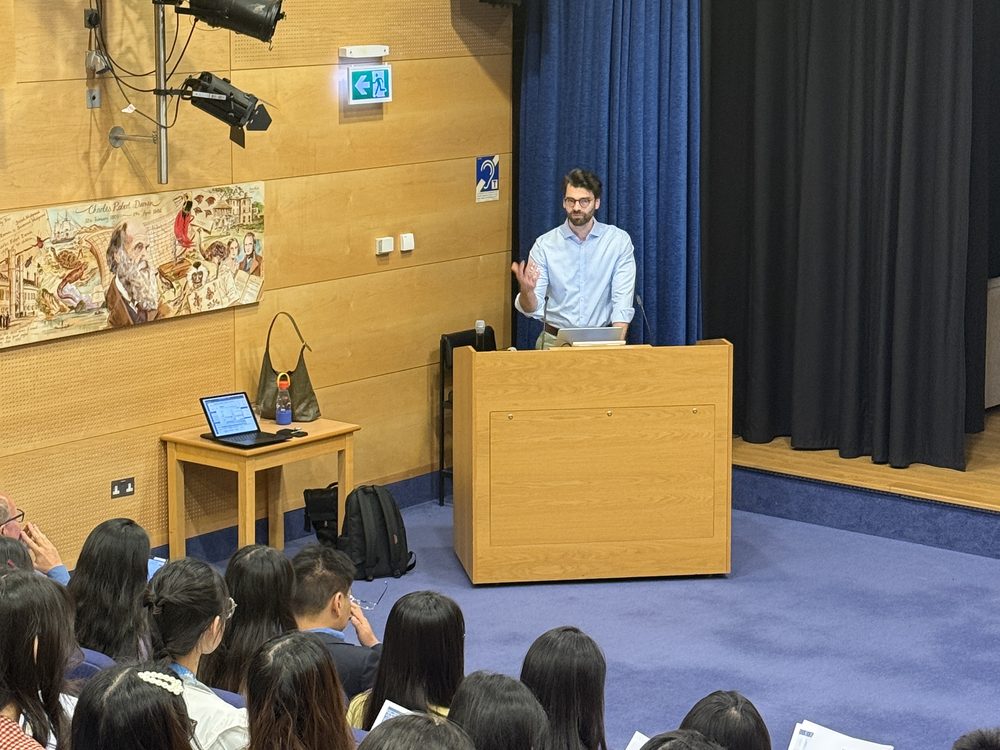
  • Students with handouts listen to a speaker at the lectern in a lecture theatre

    Morning · 09:00–12:00

    Academic
    programme

    • Lecture: a new method, worked through in code
    • Practice class: you work through the code
    • Award-winning Cambridge academics
    See a sample day
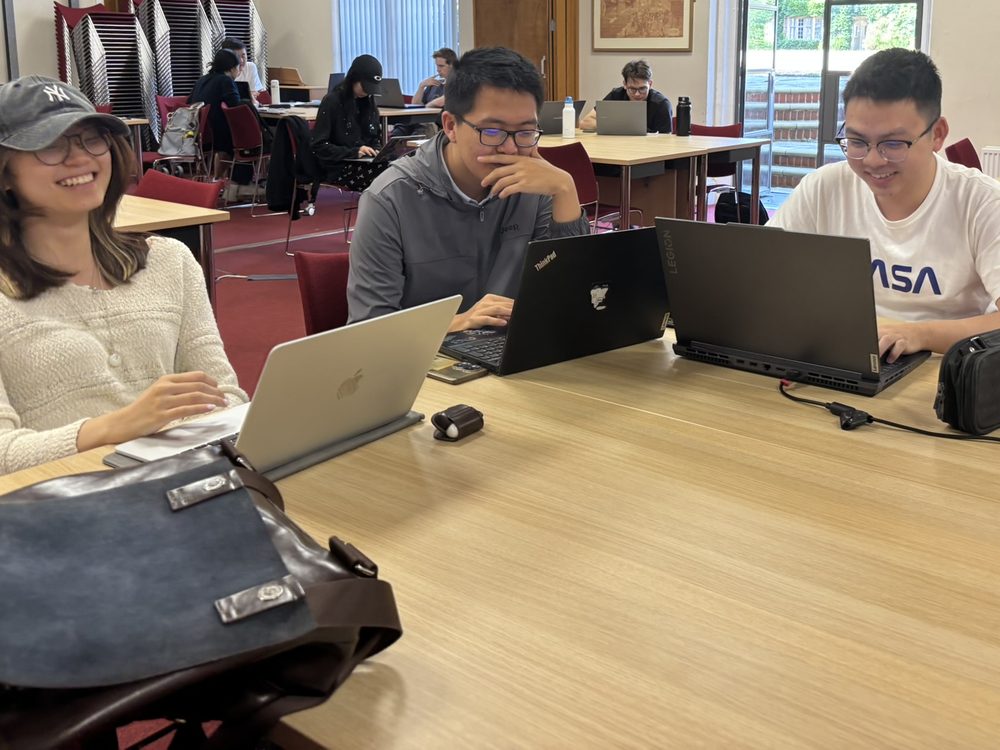
  • Three students smiling as they work at their laptops

    Afternoon · 14:00–17:00

    Team
    projects

    • Your team of three uses the morning’s method
    • Your project grows with each new method
    • You present your results on the last day
    Team projects
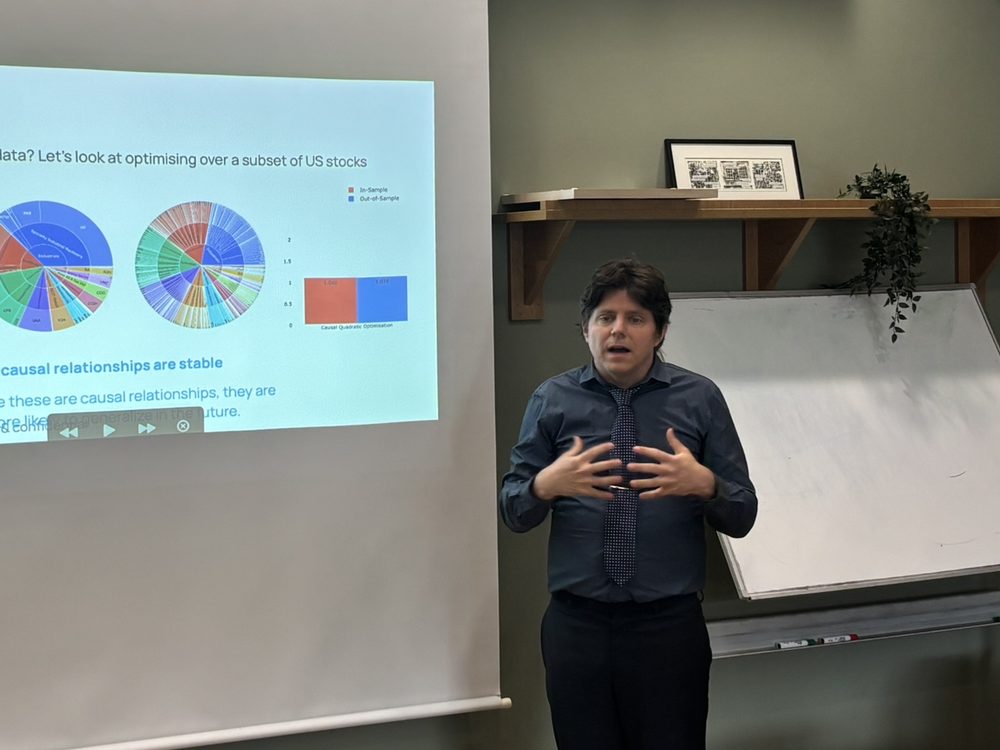
  • Maksim Sipos of causaLens giving a talk on causal AI

    Early evening · 17:00–18:00

    Professional
    development

    • Keynote talks from Cambridge academics
    • Career talks with leaders in AI and finance industries
    • Leadership and admissions workshops
    Professional development

Sample day

Each morning, a lecture explains the theory of a new method and shows how to use it in Python on structured data. In the practice class you then use it yourself on new, real data, and in the afternoon you apply it in your team project. Here is one morning from DS101.

Portrait of Oleg Kitov

DS101 Data Science for Economics and Business · taught by Oleg Kitov
Difference-in-differences

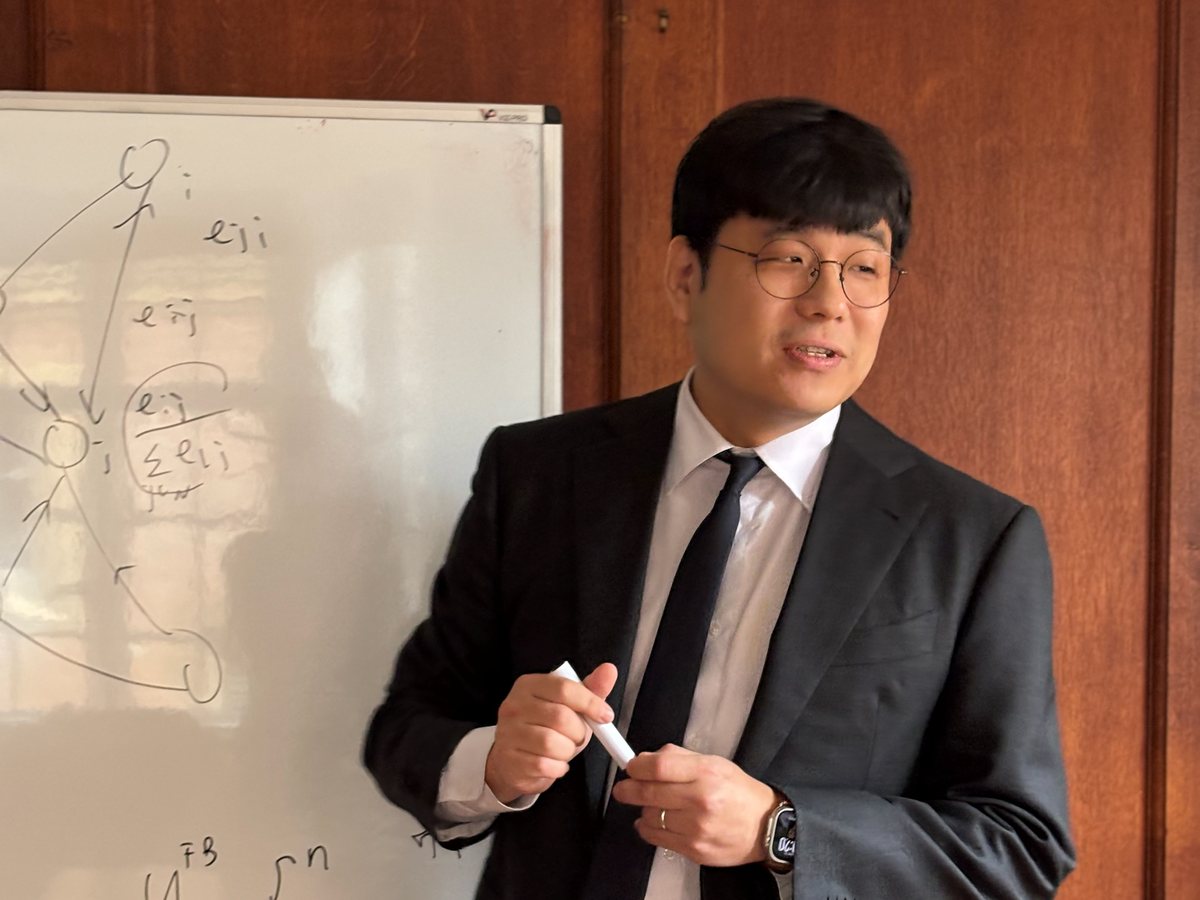
A teacher explains a model at the whiteboard

Lecture · 90 min

We show you the method

  1. 1IdeaDiff-in-diff compares changes over time between a treatment group and a control group
  2. 2DemoDo free school meals improve test scores? Your teacher estimates it with diff-in-diff
  3. 3DataSchool trial data from the UK Education Endowment Foundation (EEF)
  4. 4CodeYour teacher shows the Python code, step by step
A practice class: students working on their laptops

Practice class · 90 min

You use it yourself, with guidance

  1. 1PracticeHow did Uber affect taxi employment across UK cities? You find out with diff-in-diff
  2. 2GuidanceEstimate the effect, test it, interpret the results and discuss them
  3. 3DataUK Labour Force Survey data on taxi drivers before and after Uber arrived
  4. 4CodeYou work through structured Python code yourself

Team projects

Across the two weeks, your team of three builds one research project with real data. Each afternoon you apply the morning’s method to it, with AI as your coding partner: you decide the questions, check the results and explain what they mean. On the last day you present them.
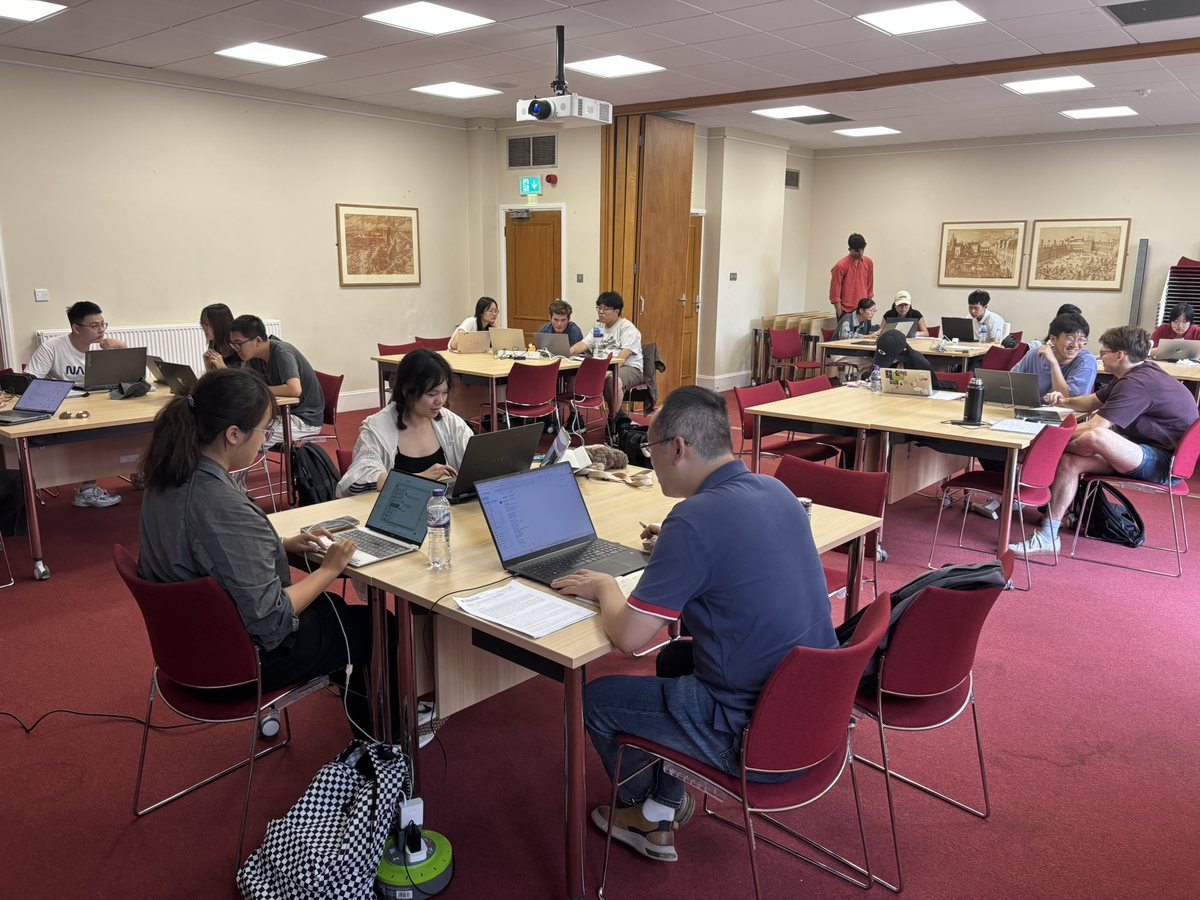
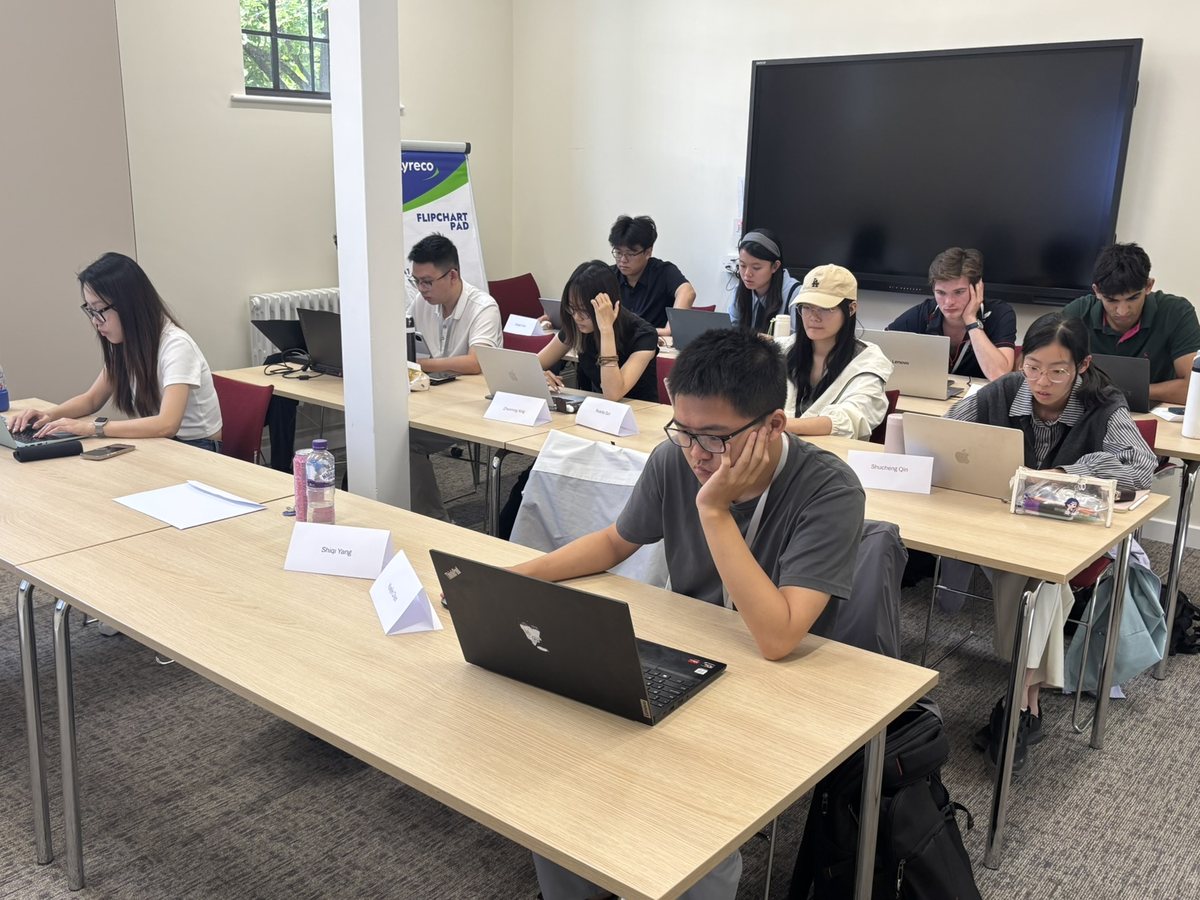
Teams at work on their laptops in a seminar room

01

Challenge

  • Two weeks, one team, one project
  • A question in economics, finance, data or AI
  • Methods and Python tools from class, on real data
A teacher helps a team at their laptop

02

Process

  • Mixed roles: analysis, coding, writing and visuals
  • Plan together, split tasks, integrate and review
  • Daily guidance and feedback from your teachers
A team of three presents its project

03

Outcome

  • Charts, a slide deck and a one-page summary
  • A short demo of what you built and why it matters
  • A portfolio project for jobs and further study

Sample project

What a finished project looks like: one from FI201, built step by step in Python with help from your teachers and teaching assistants.
Portrait of Weilong Zhang

FI201 Quantitative Finance with AI · taught by Weilong Zhang

Clustering cryptocurrency bubbles

  1. 1GoalDetect bubble episodes in crypto markets and find patterns in how they form and collapse
  2. 2DataDaily prices, returns and trading volume for Bitcoin, Ethereum and major altcoins
  3. 3Methodk-means clustering, PCA, rolling-window volatility and anomaly detection
  4. 4Codepandas and numpy for the data, scikit-learn for clustering, matplotlib and seaborn for charts
  5. 5OutputA portfolio-ready analysis of crypto bubbles with cluster profiles: a demo and a report

Coding with AI

You code with AI. You own every step.

Today, analysts and researchers code with AI. What sets you apart is understanding what the code does, judging whether the results hold up, and explaining them to others. That’s what we teach.

You make AI work for you, but the work is yours: you build on it, improve it, explain it and defend your choices. You own it, and you are responsible for it.

  1. Lecture

    Learn the method

    Your teacher explains the theory and shows the Python code, step by step.

  2. Practice class

    Read the code

    You work through structured code yourself, to see what each step does.

  3. Team project

    Make AI work for you

    You plan the analysis and write the Python with AI as your helper, then build on it and improve the results.

  4. Every day

    Own your work

    You explain your results and defend your choices in class discussions, short quizzes and your final presentation.

What our 2026 students say

  • “For our project, we built five machine learning models, from Ridge and Lasso to XGBoost, to predict stock returns for Microsoft, Apple and Amazon. We found returns hard to predict because the market’s signal-to-noise ratio is quite low.”

    Portrait of Rokas Valuckas Rokas ValuckasEconomics, Year 1University of Cambridge
  • “I expected it to be very maths-heavy, but we covered many areas of finance, like Bitcoin and FinTech. In our project, we built a model to see whether we could get close to or beat the S&P 500.”
    Portrait of Toby Dickinson Toby DickinsonEconomics, Year 1University of Cambridge
  • “Before joining, I knew only a little Python and R and didn’t understand how machine learning works. Here, I completed a machine learning project from start to finish, and now I understand the whole process.”
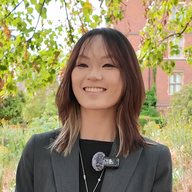
    Portrait of Zhenning Xing Zhenning XingHuman Resources Management, Year 1Renmin University

Professional development

In the early evenings, Cambridge academics, industry leaders, professional coaches and Cambridge admissions officers help you plan what comes next: a master’s, a PhD or a career in industry.
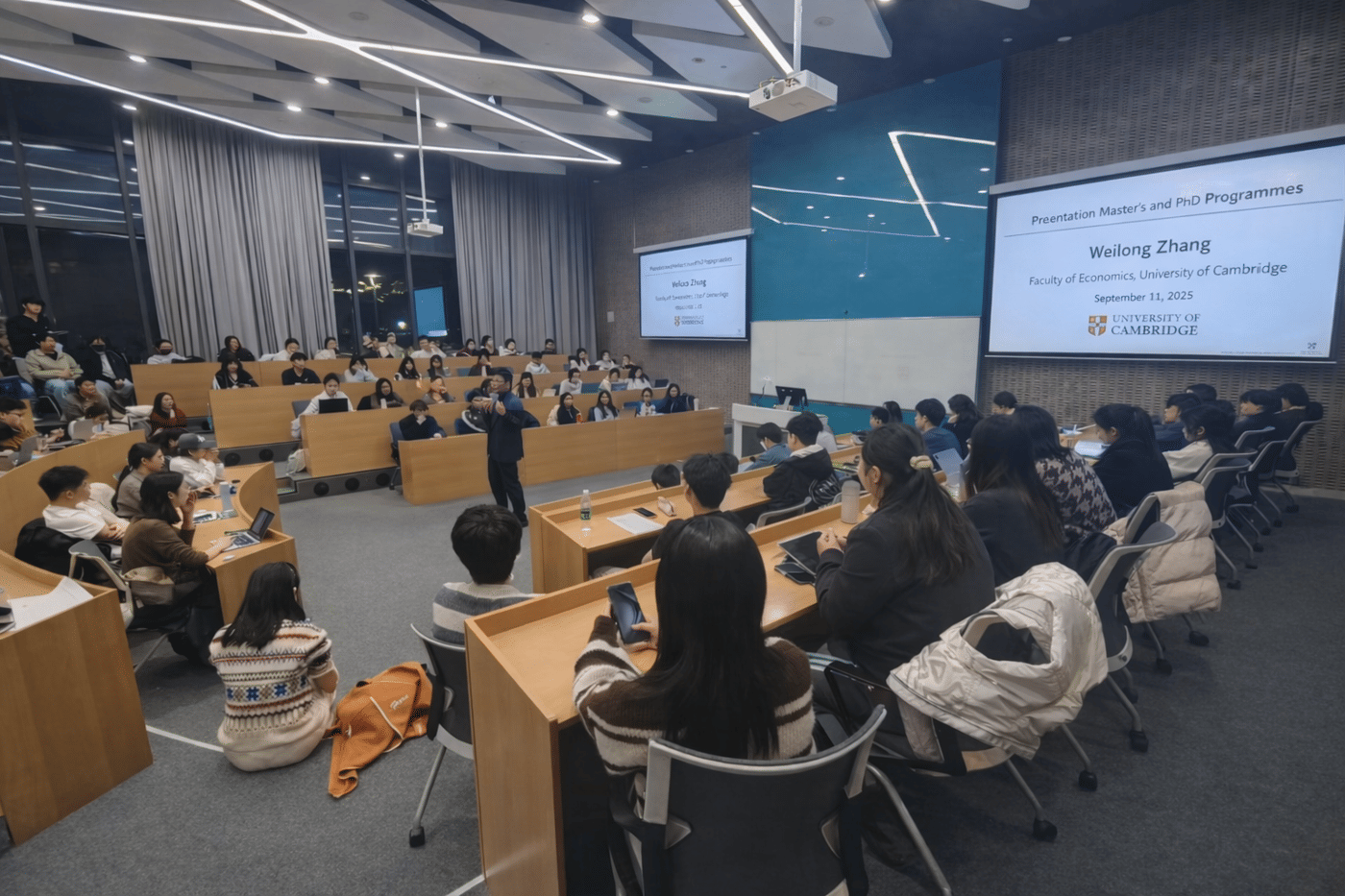
A talk on master’s and PhD programmes in a full lecture hall
  • Cambridge academics

    Keynote talks

    Cambridge academics show how research in economics, finance and AI tackles today’s global challenges, with ideas you can take into your project.

  • Industry leaders

    Career talks

    Industry leaders in AI, finance and economics talk about the real-world problems they work on and how they built their careers, then take your questions.

  • Professional coaches

    Leadership coaching

    In interactive workshops, professional coaches help you build leadership, confidence, resilience and teamwork.

  • Admissions officers

    Admissions workshops

    Cambridge academics and admissions officers explain how master’s and PhD applications are assessed, and how to make yours stronger, for universities worldwide.

Our speakers

  • Portrait of Romans Popovs

    Romans Popovs

    Vice President, M&A Downstream & Trading

    BP

    TalkHow AI is changing M&A

  • Portrait of Ayoub Semaan

    Ayoub Semaan

    Partner

    Cultivating Leadership

    TalkLeading yourself, leading a team
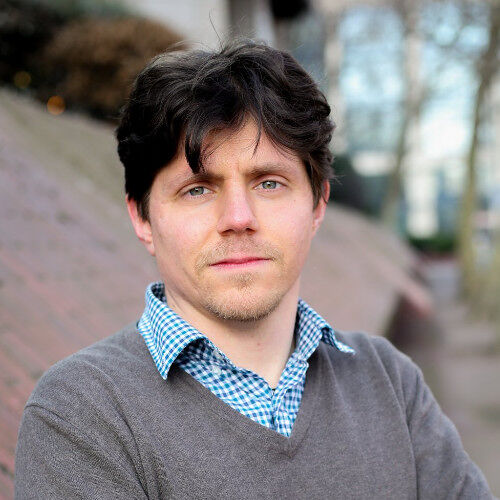
  • Portrait of Maksim Sipos

    Maksim Sipos

    Co-founder and CTO

    causaLens, an AI company

    TalkWhat is causal AI?

  • Portrait of Adam Yousef

    Adam Yousef

    Head of Economics

    Greater London Authority

    TalkThe London and UK economy

“In a world where AI can answer almost any question, the people who shape the future will be the ones who know which questions to ask, and who can tell cause from coincidence.”

Maksim Sipos · Co-founder and CTO, causaLens

Meet the speakers in person at drinks receptions and the formal dinner, and leave Cambridge with contacts for your next step.

18–31 August 2027 • Selwyn College, Cambridge

Ready to join us?

From £4,900 with tuition, college room and events

  1. Priority deadline1 January 202710% off
  2. Early-bird deadline31 March 20275% off
  3. Final deadline30 June 2027

The course is really well designed. There’s a lot of content, but it’s split across different kinds of teaching: after an intensive morning of lectures and classes, we work through it as tasks in our afternoon team project.
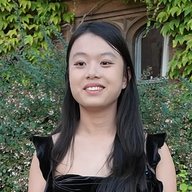
Portrait of Yifei Jiang Yifei JiangEconomics and Finance, Year 2Xi’an Jiaotong-Liverpool University

What you need

  • Aged 18+Students and graduates
  • MathematicsBasic calculus and probability
  • EnglishIELTS 6.5 or equivalent
  • GPA3.2 / B+ recommended

Not ready yet?

Download our brochure to find out more

Or message us on · .